




Understanding Japan’s unique adult nightlife culture
The word “Fuzoku” is often mentioned when people talk about Japan’s nightlife and adult entertainment culture.
However, for many visitors, the meaning of the word is still unclear.
In Japan, Fuzoku refers to a wide range of adult entertainment services that have developed their own unique styles and traditions.
Types of Japanese Fuzoku
Japan’s adult entertainment industry is surprisingly diverse.
There are many different styles of services, each offering its own type of experience and atmosphere.
Below are some of the most well-known categories found in Japan’s nightlife culture.

Delivery Health is one of the most common and widely known types of Japanese fuzoku today.
Instead of visiting a store, a companion meets you directly at your hotel or residence.
After meeting, guests usually relax together in the room, often starting with a shower or bath before moving to the bed.
Because the experience takes place in a private hotel room, it allows for a more relaxed and intimate atmosphere compared to store-based venues.
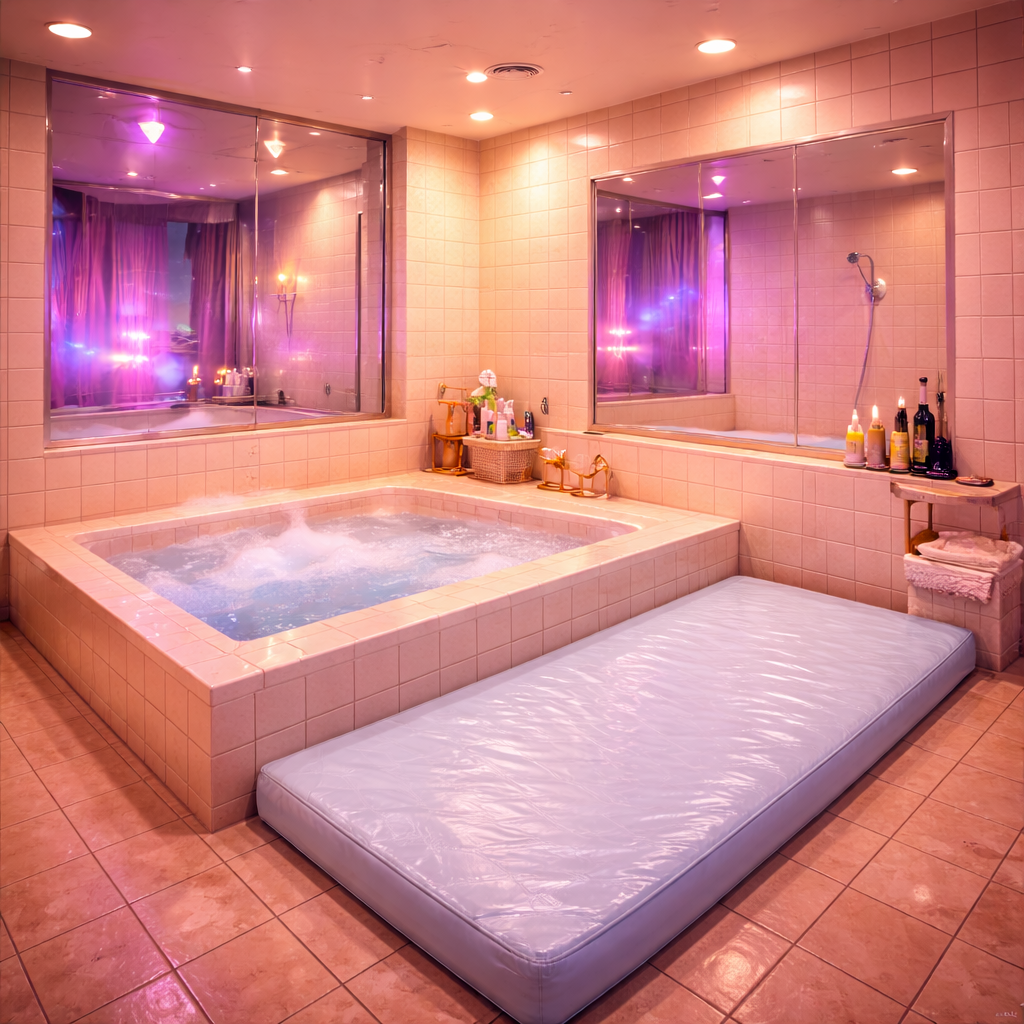
Soapland is one of the most recognizable forms of Japanese fuzoku.
The experience usually takes place in a large private bath room where guests and companions share a bath together.
Warm water, soap bubbles, and body-to-body washing are part of the traditional soapland atmosphere before the experience continues in the room.
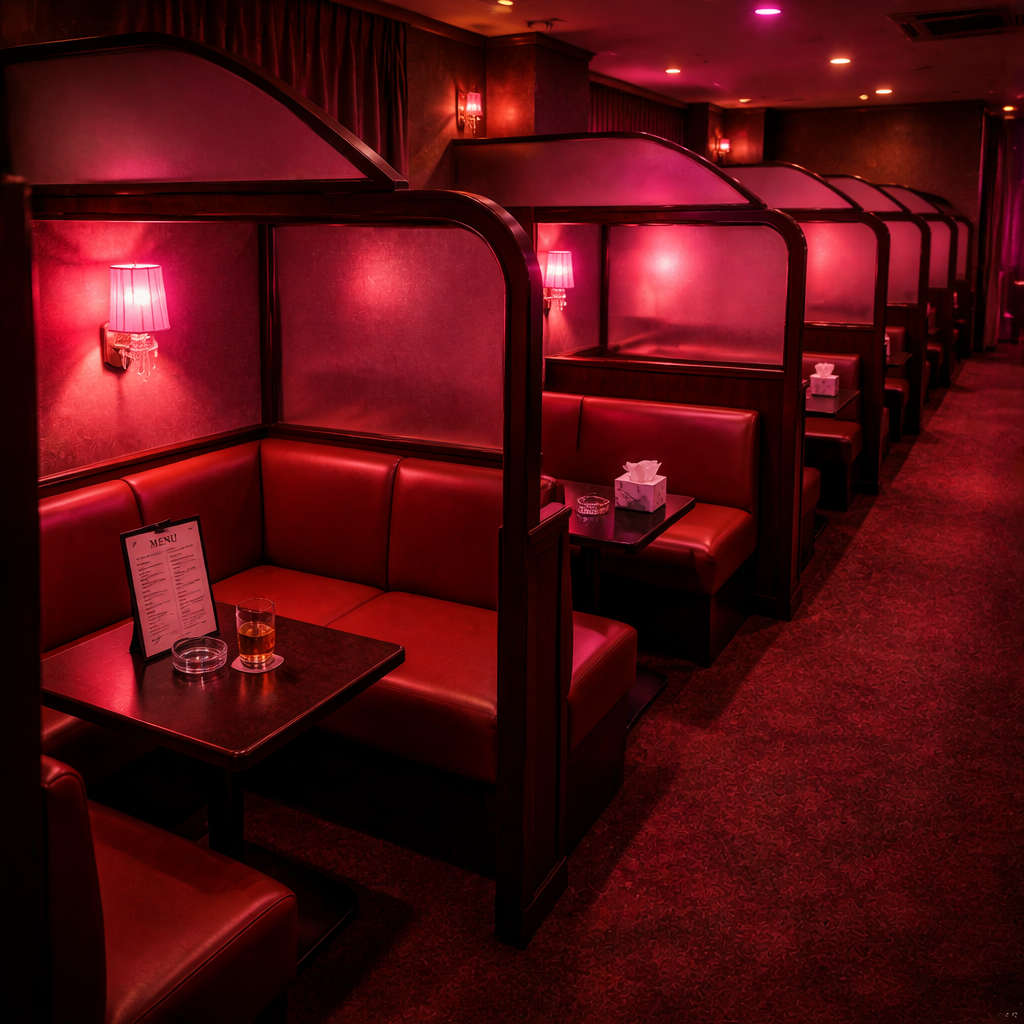
Pink salons are smaller adult entertainment venues that usually focus on short and casual visits.
Guests typically sit with a companion on a sofa in a semi-private booth.
Unlike many other types of Japanese fuzoku, the service in pink salons usually focuses only on lower-body entertainment, while the guest remains seated and fully clothed.
Because sessions are shorter and simpler, pink salons are often known for quick visits rather than long private experiences.
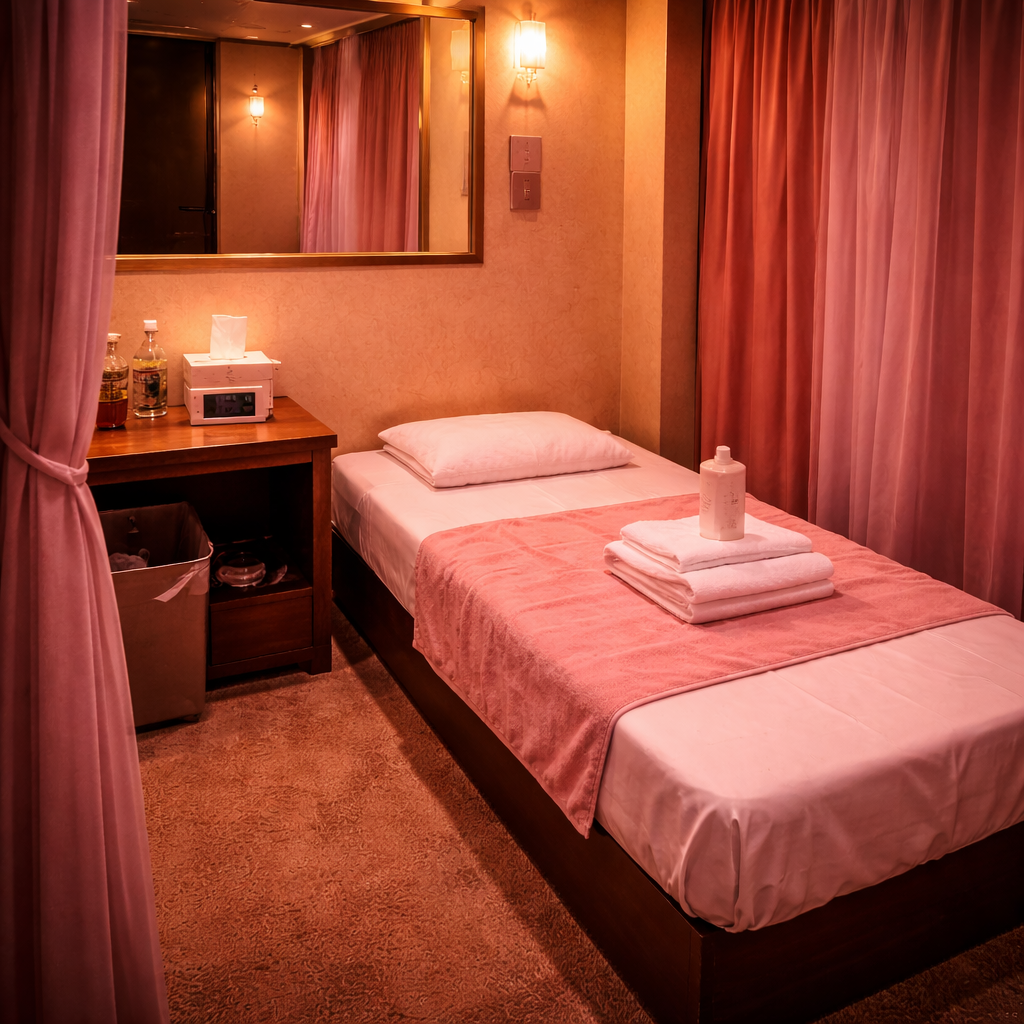
Fashion health establishments are traditional in-store venues where guests visit private rooms inside the facility.
After entering the room, guests and companions usually spend time together in a relaxed setting before moving to the bed.
This style became popular as one of the classic formats of Japanese fuzoku and remains common today.
What is Nuru Massage?
Nuru massage is often used in Japanese adult services such as delivery health and soapland, where the slippery gel creates a unique skin-to-skin sensation.
Where to Go in Tokyo
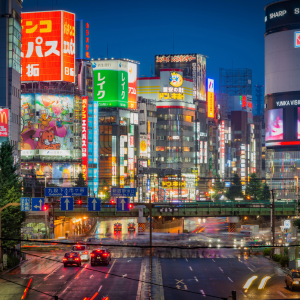
Shinjuku is Tokyo’s largest nightlife district and home to Kabukicho, Japan’s most famous entertainment area. Neon streets, bars, and late-night restaurants make it one of the busiest places in the city after dark.
Love Hotel Price
Rest: ¥4,000 – ¥8,000
Stay: ¥8,000 – ¥18,000
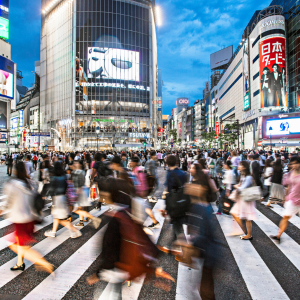
Shibuya is known for its energetic atmosphere and the famous Shibuya Crossing. The area around Dogenzaka offers many bars, clubs, and entertainment spots popular with younger visitors.
Love Hotel Price
Rest: ¥5,000 – ¥9,000
Stay: ¥9,000 – ¥20,000
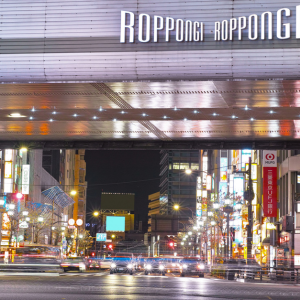
Roppongi is an international nightlife district popular with foreign visitors. The area has many stylish bars, clubs, and late-night restaurants.
Love Hotel Price
Rest: ¥6,000 – ¥12,000
Stay: ¥12,000 – ¥25,000
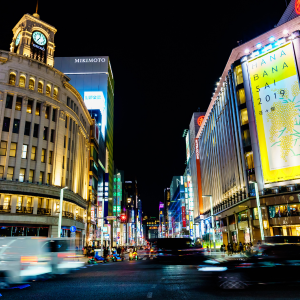
Ginza is famous for luxury shopping streets, cocktail bars, and high-end nightlife. While the area itself has very few love hotels, visitors can easily access nearby districts such as Shimbashi or Nihonbashi.
Nearby Love Hotel Price
Stay: ¥8,000 – ¥20,000
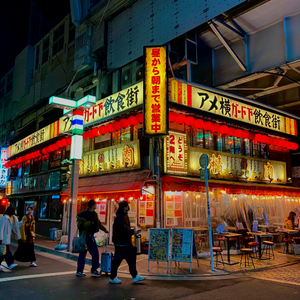
Ueno offers a more casual side of Tokyo nightlife. Around Ameyoko Street, visitors can find lively izakayas, street food, and small local bars.
Love Hotel Price
Rest: ¥4,000 – ¥7,000
Stay: ¥7,000 – ¥12,000
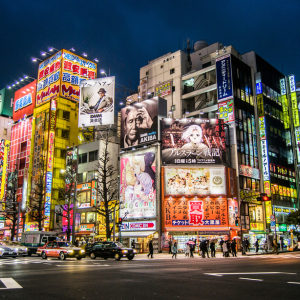
Akihabara is famous for anime culture, electronics, and themed cafés such as maid cafés.
While the district itself has only a few love hotels, visitors often use nearby areas such as Ueno or Yushima..
Nearby Love Hotel Price
Rest: ¥5,000 – ¥8,000
Stay: ¥9,000 – ¥15,000